OEM Flexible Clay Ceramic Tile Production Line Manufacturer in Ghana

Industrial-Grade Modified Clay Material (MCM) Machinery, Local Mineral Processing, and Turnkey Engineering Solutions for West Africa’s Sustainable Infrastructure

Send Inquiry Now
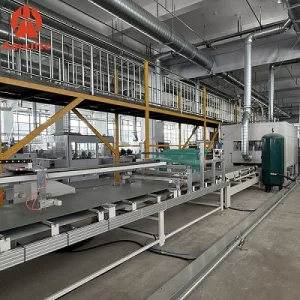
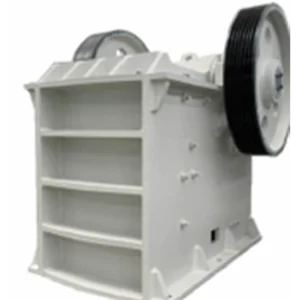
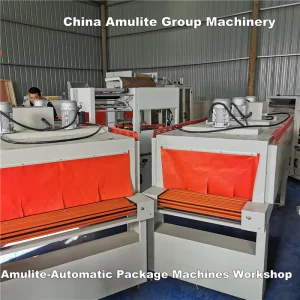
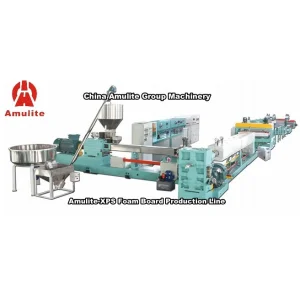
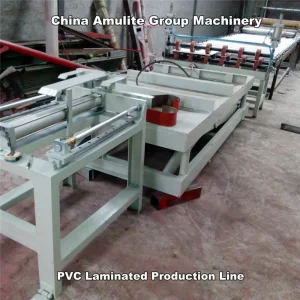
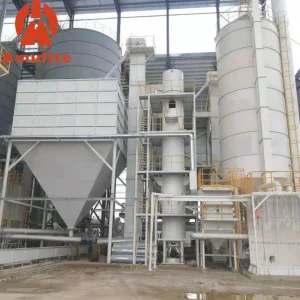
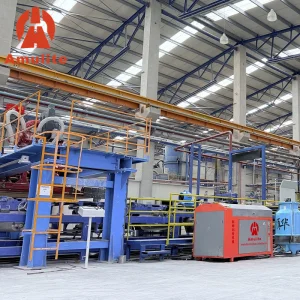
Featured OEM Clay Tile & Board Production Machinery for Ghana

Explore our primary manufacturing systems engineered for high-throughput production of flexible ceramic wall tiles, heavy aggregate crushing, and automated packaging in West Africa.

1. Ghana’s Industrial & Real Estate Landscape: The Strategic Shift to Flexible Clay Ceramics

The Republic of Ghana is undergoing one of the most rapid urbanization phases in West Africa. Major metropolitan areas including Accra, Kumasi, Takoradi, and Tamale are experiencing unprecedented demand for commercial complexes, residential housing units, and civic infrastructure. However, the domestic Ghanaian construction sector faces a critical dual challenge: skyrocketing prices for imported building materials and the thermal limitations of traditional heavy concrete or fired clay tiles under humid, tropical atmospheric conditions.

Traditional ceramic tile manufacturing requires capital-intensive tunnel kilns operating continuously at temperatures between 1,100°C and 1,250°C. In Ghana, where electricity tariffs and liquified petroleum gas (LPG) pricing pose operational budget constraints, operating high-temperature kilns presents severe margin pressure for regional manufacturers. Furthermore, heavy traditional tiles place excessive dead loads on high-rise structures and suffer from delamination due to the extreme thermal expansion coefficients prevalent along the coastal Gulf of Guinea climate.

1.8M+
Ghana Housing Unit Deficit (2025/2026)
80%
Energy Reduction vs. Fired Kiln Ceramics
3.5kg/m²
Ultra-Lightweight Profile for Fast Installation
50+ Yrs
Weathering Resistance against Tropical UV/Salt

To bridge this gap, forward-thinking building material producers across Ghana are turning to Modified Clay Material (MCM) / Flexible Clay Ceramic Tile Production Lines. MCM technology utilizes natural inorganic soil, quartz sand, stone powder, and natural mineral pigments modified with water-based polymers. Instead of high-temperature firing, the production line uses low-temperature infrared drying and magnetic molding at 100°C–180°C. The resulting product is a lightweight, ultra-thin (2mm–4mm), highly flexible, fireproof, and water-repellent facade tile that perfectly mimics natural granite, slate, wood grain, or rustic brick while drastically lowering transport and installation costs.

Strategic Advantage for Ghanaian Manufacturers:

By establishing an OEM Flexible Clay Ceramic Tile Factory locally in Ghana (e.g., near Tema Port or Kumasi Industrial Hubs), industrial investors reduce dependence on imported ceramic tiles, leverage local natural clay deposits, qualify for ECOWAS Trade Liberalization Scheme (ETLS) duty-free regional exports, and lower shipping freight burdens by over 70% compared to heavy traditional ceramics.

2. Technical Deep Dive: Turnkey OEM Flexible Clay Tile Production Line Architecture

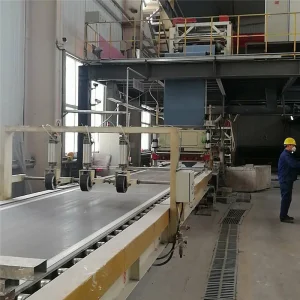
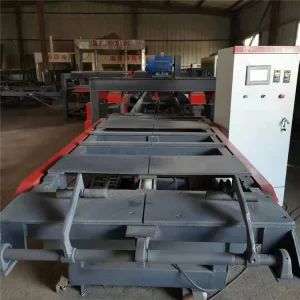
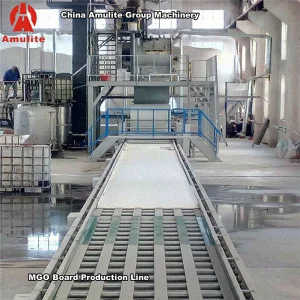
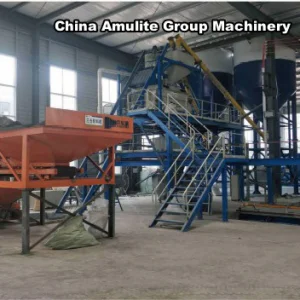
As a leading global OEM engineering partner, our automated Flexible Clay Ceramic Tile Production Line is engineered specifically for operational robustness, energy efficiency, and scalability in tropical climates. The complete machinery system consists of six integrated processing modules working synchronously under centralized PLC automation.

Stage 1

Raw Material Processing

Local inorganic soil, clay, granite powder, and quartz sand are crushed, ground, and homogenized in high-shear mixers. Natural iron oxides and mineral colorants are added alongside bio-polymer cross-linking agents to create the proprietary MCM mud matrix.

Stage 2

Extrusion & Texture Molding

The slurry is vacuum-degassed and fed into precision twin-roll extruders. Flexible silicone texture plates or dynamic embossing rollers transfer hyper-realistic 3D textures (travertine, slate, split stone, timber grain) onto the moving clay sheet.

Stage 3

Mesh Lamination & Curing

High-tensile alkali-resistant fiberglass mesh or non-woven fabric is embedded into the core structure of the clay sheet during pressing, ensuring high tensile strength, anti-cracking resilience, and extreme flexibility.

Key Engineering Specifications & Operational Parameters

  • Annual Plant Capacity: 500,000 m² to 3,000,000 m² per year per line (scalable based on conveyor configuration).
  • Product Thickness Range: 2.0 mm to 6.0 mm (customizable micro-adjustment via digital servo controls).
  • Curing Thermal System: Low-temperature infrared radiation combined with circulating hot air drying tunnels (operating temperature: 100°C – 160°C).
  • Energy Source Adaptability: Dual-fuel support — Natural Gas, LPG, Diesel, or Biomass Gasifiers suited for West African power grids.
  • Automation Suite: Siemens S7-1500 PLC with multi-language HMI touchscreen control interface (English/French/Chinese).
  • Raw Material Compatibility: Up to 80% locally sourced Ghanaian red mud, laterite soils, quarry dust, and recycled mineral waste.
3. Global Procurement, Financial Feasibility & ROI Analysis for Factory Owners

Investing in a flexible clay ceramic tile factory in Ghana represents a high-yield industrial venture. Comparing the capital expenditures (CAPEX) and operational expenditures (OPEX) of traditional fired ceramic plants against an OEM MCM flexible tile plant highlights clear financial advantages for enterprise buyers and infrastructure developers.

Fired Ceramic Tile Plant (Traditional)

  • CAPEX: $15 Million – $35 Million USD (Massive kilns, press machines).
  • Energy Consumption: High (1200°C continuous gas/oil combustion).
  • Raw Material Demand: High purity kaolin & ball clay required.
  • Shipping & Logistics: Heavy product (20-25 kg/m²) increases freight cost.
  • Carbon Footprint: Substantial CO2 emissions subject to carbon taxes.
Recommended Investment

Amulite OEM Flexible Clay Tile Plant

  • CAPEX: $350,000 – $1.2 Million USD (Turnkey modular line).
  • Energy Consumption: Low (120°C IR drying, 80% power saving).
  • Raw Material Flexibility: Utilizes local Ghanaian soil & stone powder.
  • Logistics Advantage: Ultra-lightweight (3-4 kg/m²), 5x shipping efficiency.
  • ESG & Carbon Credits: Zero-smoke, zero-wastewater continuous green process.

From an ROI standpoint, a 1,000,000 m²/year flexible clay tile production facility located in Ghana typically achieves full capital payback within 14 to 22 months of continuous operation. This rapid payback is driven by high regional market prices for architectural cladding materials across West Africa and the low unit cost of local clay extraction.

4. Ghana Regulatory Compliance, Standards Authority (GSA) & Local Engineering Support

Operating an industrial manufacturing plant in Ghana requires strict alignment with local statutory frameworks, industrial power conditions, and international quality certifications. Our engineering team ensures full turnkey support to make your facility fully compliant with Ghanaian regulations right from commissioning.

GSA & ISO Compliance

All finished MCM flexible ceramic tiles produced by our equipment meet Ghana Standards Authority (GSA) building material standards, as well as ISO 9001 (Quality Management) and ISO 14001 (Environmental Protection) specifications for Class A1 fire safety and anti-aging weathering test standards.

Power & Grid Adaptation

Ghanaian industrial zones can experience voltage fluctuations. Our production lines are built with heavy-duty power stabilizers, dual-circuit diesel-generator auto-switchover interfaces, and Schneider/Siemens electrical protection modules to prevent downtime during power dips.

ECOWAS Market Access

Under the ECOWAS Trade Liberalization Scheme (ETLS), MCM flexible tiles manufactured in Ghana can be exported duty-free to neighboring West African markets including Nigeria, Côte d'Ivoire, Senegal, Togo, and Burkina Faso, providing a massive export trade advantage.

On-Site Engineering & Operator Training in Ghana:

Our dispatch protocol includes sending senior Chinese mechanical and chemical process engineers directly to your plant location in Ghana (Accra, Tema, Kumasi, etc.). We supervise civil foundation preparation, mechanical assembly, electrical wiring, slurry formulation tuning with local clays, and provide 30 days of hands-on training for local Ghanaian operators.

5. Future Technical Roadmap: AI-Driven Texturing & Next-Gen Green Building Materials

The flexible clay ceramic industry is undergoing rapid technological evolution. As a pioneer in non-metallic building material machinery, our research and development labs are constantly integrating advanced automated features into our production lines supplied to African markets.

  • AI Digital Inkjet & Texture Scanning: High-definition 3D digital inkjet printing modules synchronized with ultrasonic surface sensors, allowing the machine to reproduce complex, non-repeating natural marble and granite textures onto flexible clay bases.
  • Ultra-Flexible Bending Radius Engineering: Advanced polymer cross-linking formulas allowing flexible tiles to wrap seamlessly around 360-degree curved architectural columns and complex geometric facades without cracking.
  • Photovoltaic Integrated MCM Facades (BIPV Readiness): Future-proof machine configurations capable of laminating thin-film solar elements into flexible clay tile substrates, transforming building exterior walls into clean electricity generators.
  • Zero-Wastewater Closed Loop System: Complete water recycling filtration circuits that ensure zero liquid waste discharge during the clay slurry washing and equipment cleaning process, fully aligning with global ESG standards.
6. Frequently Asked Questions (FAQ) for Procurement Directors in Ghana

Get clear, authoritative answers regarding equipment technical specifications, delivery lead times, raw material testing, and local factory installation.

Q1: Can local Ghanaian soil and quarry dust be used directly in this production line?
Yes. Our flexible clay tile production line is specifically optimized to utilize local soil, red clay, laterite, stone powder, and granite quarry dust. Prior to machinery dispatch, our chemical laboratory offers a free raw material testing service: you send us 10kg of your local Ghanaian clay/soil samples, and our engineers formulate the exact recipe for optimal strength, flexibility, and color matching.
Q2: What is the lead time for equipment manufacturing and shipping to Tema Port, Ghana?
Equipment manufacturing typically requires 45 to 60 days depending on your plant capacity requirements. Sea freight from our factory to Tema Port or Takoradi Port in Ghana takes approximately 30 to 40 days. Total project timeline from contract signing to equipment arrival on site is generally within 90 to 110 days.
Q3: How does the durability of Flexible Clay Ceramic Tiles compare to traditional tiles under Ghana's coastal humidity?
MCM Flexible Clay Tiles offer superior performance in humid, coastal environments like Accra or Cape Coast. Unlike traditional ceramic tiles, flexible clay tiles have a breathing structural matrix that allows moisture vapor to escape without loosening the adhesive bond. They pass 2,000 hours of accelerated weather resistance testing, offer Class A fire rating, and will not crack or fall off high-rise exteriors due to building movement.
Q4: What civil infrastructure and power capacity are required for the plant setup in Ghana?
A standard 1,000,000 m²/year flexible clay tile line requires a plant floor footprint of approximately 1,200 m² to 2,500 m² (minimum length 60 meters for the automated drying line). Electrical load requirement is around 120 kW – 220 kW. We provide complete factory layout CAD drawings, civil foundation blueprints, and electrical connection plans upon contract execution.
Q5: What after-sales service and spare parts support do you provide locally in West Africa?
We provide a 2-year comprehensive mechanical warranty and lifelong technical support. We include a standard 2-year wear-and-tear spare parts kit with the main machinery shipment. Additionally, our remote IoT diagnostic module allows our software engineers in headquarters to monitor PLC performance, adjust curing parameters, and troubleshoot electrical issues in real-time over the internet.
Q6: Are the finished flexible tiles suitable for interior and exterior applications?
Absolutely. MCM flexible tiles produced by our equipment are widely used for exterior high-rise curtain walls, villa facades, commercial shopping malls, as well as interior accent walls, feature ceilings, and bathroom wall claddings due to their stain resistance, anti-bacterial coating compatibility, and zero formaldehyde emissions.
Complete Building Material Machinery Portfolio for Industrial Developers

Explore our full eco-system of automated production machinery engineered for global building material plants, wall panel factories, and crushing workshops.

Start Your OEM Flexible Clay Tile Manufacturing Project in Ghana Today

Partner with a trusted international engineering manufacturer. Contact our chief process engineers to receive a customized plant feasibility report, equipment layout drawings, and direct factory pricing within 24 hours.

Send Inquiry Now