Featured recycling machinery and processing equipment tailored for deployment in Riyadh's industrial zones (MODON 2nd & 3rd Cities).
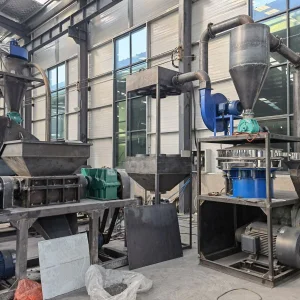
Turnkey mechanical shredding, inert gas pyrolysis, and black mass extraction system designed for high purity output.
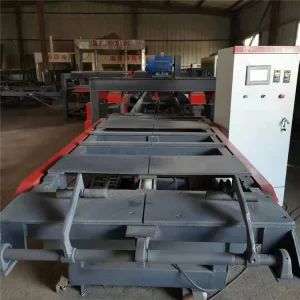
Precision 1300 II automated high-speed four-side cutter for battery pack disassembly and module sizing.
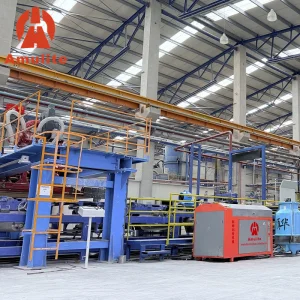
Industrial calcium silicate & fiber cement machinery producing A1 fire-rated insulation panels for battery storage infrastructure.
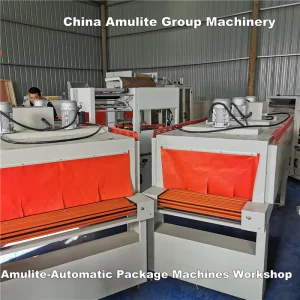
Hermetic dust-free automated bagging, weighing, and sealing system for recovered battery powder export.
As the Kingdom of Saudi Arabia accelerates its economic transformation under Saudi Vision 2030, Riyadh is fast becoming the central hub for the Middle East's automotive and renewable energy transition. With major electric vehicle (EV) manufacturing plants establishing production lines within the Kingdom—such as Ceer Motors and Lucid Motors in King Abdullah Economic City (KAEC)—and national commitments to reach 30% EV adoption in Riyadh by 2030, the demand for end-of-life (EOL) Lithium-ion Battery (LIB) management has reached a critical juncture.
Establishing localized, scalable, and environmentally compliant Lithium Battery Recycling Facilities in Riyadh is no longer merely a waste management solution; it is a macroeconomic necessity for raw material security, industrial decarbonization, and circular economy sovereignty. Importing heavy machinery without local climatic engineering and process customization often leads to operational bottlenecks. Our industrial-grade Lithium-ion Battery Recycling Production Lines provide a complete turn-key answer engineered explicitly for the Kingdom's operating conditions.
Unlike standard generic recycling systems, our specialized equipment integrates Nitrogen (N₂)-shielded low-temperature thermal pyrolysis alongside dry-mechanical air-gravity classification. This guarantees a minimum recovery rate of 98.5% for Black Mass (Lithium, Nickel, Cobalt, Manganese) while suppressing thermal runaway risks in desert ambient temperatures exceeding +45°C.
Engineered to deliver high throughput, low energy consumption, and maximum recovery efficiency.
Riyadh is undergoing unprecedented industrial expansion under the national stewardship of the Ministry of Industry and Mineral Resources (MIM) and the Saudi Industrial Development Fund (SIDF). The deployment of recycling facilities within Riyadh's specialized logistics zones and MODON industrial cities offers several unique strategic advantages:
| Riyadh Strategic Objective | Legacy Recycling Paradigm | Amulite Advanced Recycling Line Solution |
|---|---|---|
| Environmental Compliance (MWAN) | Hazardous landfilling / Uncontrolled incineration | Zero-Liquid-Discharge (ZLD), HEPA multi-stage scrubbers, 0% toxic emissions |
| Operating Thermal Tolerance | Standard systems experience over-heating issues | Chilled nitrogen atmosphere shredding & heat exchangers rated for 50°C+ ambient heat |
| Safety & Fire Protection | High risk of thermal runaway fires during crushing | Inertized dual-shaft shredder with automatic CO₂/N₂ flood suppression systems |
| Black Mass Purity Grade | Low grade (< 85%) contaminated with binders | High purity (> 98.5%) via continuous vacuum pyrolysis binder decomposition |
The global transition to electrification has placed immense pressure on primary mining output for critical battery minerals, including Lithium (Li), Nickel (Ni), Cobalt (Co), Manganese (Mn), Copper (Cu), and Aluminum (Al). Geopolitical supply chain bottlenecks and extended mine commissioning timelines (often 7 to 10 years) mean secondary recycling must bridge the structural supply deficit.
International regulatory frameworks, such as the European Union’s New Battery Regulation (mandating minimum recycled content thresholds by 2030), are establishing global benchmarks. For Saudi manufacturers exporting battery packs or EV components to European and North American markets, proving localized recycled content tracing will be essential for market entry. Implementing high-efficiency recycling machinery ensures KSA-manufactured products comply with international ESG standards.
Furthermore, the shift from high-cobalt chemistries (such as NMC 111) to high-nickel (NMC 811, NMC 90505) and Lithium Iron Phosphate (LFP) requires adaptable, flexible recycling machinery. Our production lines feature multi-chemistry process configurations capable of switching seamlessly between NMC, LCA, LMO, and LFP battery chemistries without requiring extensive line retrofitting.
A multi-stage closed-loop system designed for high metal yield, zero secondary pollution, and maximum operational safety.
Automated brine-submersion or electrical load-bank discharge brings battery modules to 0V potential, followed by robotic shell stripping.
Dual-shaft shear crushing operating inside a sealed, nitrogen-purged chamber prevents ignition of residual electrolyte gas.
Low-temperature thermal stripping volatilizes PVDF organic binders and electrolyte solvents, recovering pure NMP solvent vapors.
Multi-stage zigzag air classifiers, magnetic drums, and vibrating screens separate copper, aluminum, plastic, and high-purity Black Mass.
The efficiency of a battery recycling facility is judged primarily on two metrics: Black Mass Recovery Yield and Copper/Aluminum Separation Purity. Standard hammer mill crushers generate excessive fines, resulting in copper and aluminum contamination within the black mass powder. This severely reduces the commercial value of the product sold to hydrometallurgical refineries.
Our proprietary engineering process overcomes this challenge through three specific technology innovations:
The off-gas treatment system integrates thermal oxidizers (RTO), lime-slurry scrubbers, active carbon adsorption towers, and absolute HEPA filters. Exhaust emissions consistently surpass Saudi Arabia's GAMEP (General Authority of Meteorology and Environmental Protection) national standards and European Directive standards.
Operating heavy industrial recycling machinery in the climate of Riyadh demands specialized engineering modifications. Standard machinery imported from temperate regions frequently suffers from hydraulic fluid overheating, electrical inverter thermal trips, and accelerated seal degradation due to airborne fine silica dust.
Our Saudi-customized recycling equipment incorporates the following ruggedization features:
Explore our complete ecosystem of crushing, separation, fireproofing, and material handling systems for battery recycling plants in KSA.
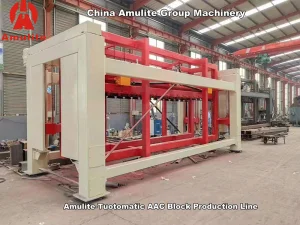
Autoclaved Aerated Concrete manufacturing equipment for constructing explosion-proof containment walls around battery facilities.
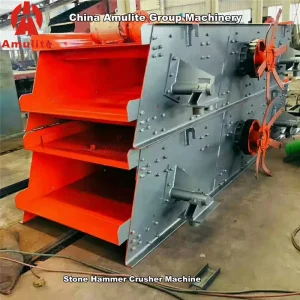
High-torque primary size-reduction crusher engineered for tough outer metal shell and heavy aluminum casing breakdown.
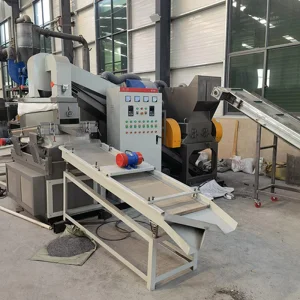
Specialized fine granulation system separating shredded copper and aluminum foils with purity exceeding 99%.
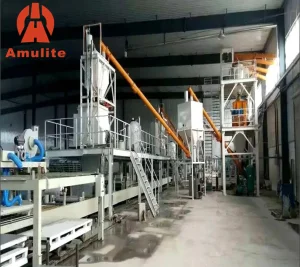
Extruded polystyrene insulation board machinery for climate-controlled battery storage and aging chambers.
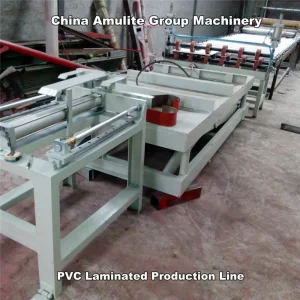
Chemical-resistant sheet manufacturing plant designed for hydrometallurgical chemical extraction area wall cladding.
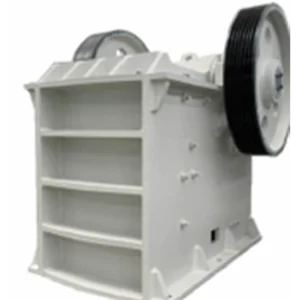
Precision primary coarse crusher for oversized battery pack framing, structural steel racks, and heavy castings.
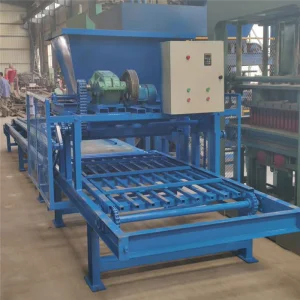
High-density brick manufacturing machinery producing heat-resistant liners for high-temperature pyrolysis furnaces.
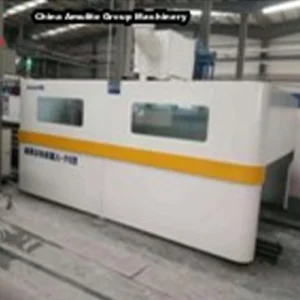
Large-format automated structural panel production machinery for rapid industrial facility civil engineering.
Direct technical and operational answers from our lead process automation engineers.
We configure standard modular lines ranging from 1,000 Metric Tons per Year (TPY) pilot scale up to 20,000 TPY commercial multi-line installations. Each line is modular, allowing Riyadh investors to begin with a single shredding/black mass extraction module and scale output as localized EV battery collection volumes increase.
Safety is maintained via a triple-protection architecture: 1) Continuous closed-loop Nitrogen gas injection maintains O₂ concentrations below 4% inside the shredder; 2) Spark detection sensors linked to ultra-fast CO₂/N₂ deluge systems; 3) Explosion-relief valves equipped with flame arrestors complying with ATEX and IECEx standards.
Based on current market valuations for recovered Black Mass (priced on payable metal content of Li, Ni, and Co) and copper/aluminum scrap, payback periods typically range between 18 to 28 months, depending on throughput utilization rate and incoming battery feed source costs.
Yes. We provide end-to-end turnkey services, including plant civil footprint engineering, electrical grid load matching, equipment fabrication, export shipping, on-site installation supervision in Riyadh by experienced mechanical/electrical engineers, operator training, and MWAN environmental licensing audit support.
Yes. Our multi-chemistry dry pre-treatment plants feature automated programmable logic controls (PLC) with customizable recipe profiles. The system adjusts shredding clearance, airflow separation velocities, and thermal calcination temperatures depending on whether LFP, NMC, LCO, or solid-state batteries are being processed.
A standard 5,000 TPY recycling line requires a minimum indoor workshop footprint of approximately 2,500 square meters with a ceiling clearance of 8 meters. Electrical requirements average 450 kW - 800 kW, along with an auxiliary dry nitrogen gas generator system and compressed air supply.
Request a detailed technical proposal, machine specifications, and plant footprint engineering layout designed for your project scope in Saudi Arabia.
Send Inquiry Now