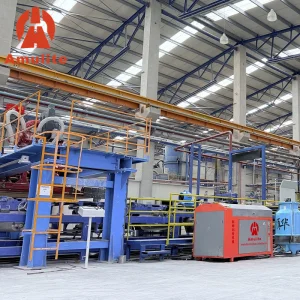
High-speed, fully automated manufacturing lines optimized for producing A1 fire-rated, seismic-resistant exterior cladding and interior partitioning boards using localized Turkish raw materials.
The Republic of Türkiye stands as a pivotal transcontinental hub bridging Europe, the Middle East, and Central Asia. Following recent seismic updates and massive urban transformation mandates across major metropolises such as Istanbul, Ankara, Izmir, and Gaziantep, the Turkish construction sector has undergone a fundamental shift toward earthquake-resilient, lightweight, non-combustible building materials. Traditional heavy masonry and brick cladding are rapidly being replaced by high-performance Fiber Cement Boards and Calcium Silicate Boards.
Furthermore, Türkiye's geographic positioning makes it an ideal export springboard into the European Union (compliant with CE standards) and the GCC region. Local Turkish manufacturers of building materials are aggressively scaling up production lines to capture both domestic urban renewal projects and regional export orders. Investing in modern, automated Hatschek fiber cement board equipment and high-pressure autoclaved calcium silicate lines allows Turkish industrial groups to achieve superior product consistency, lower operational expenditures (OPEX), and full compliance with European Standard EN 12467.
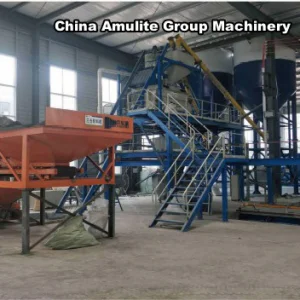
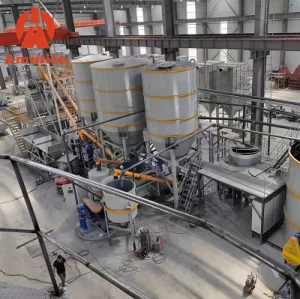
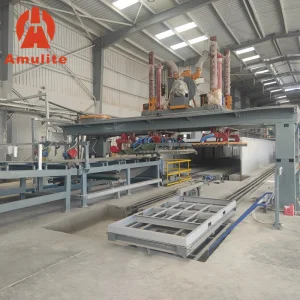
Manufacturing high-grade fiber cement and calcium silicate boards requires absolute precision across slurry preparation, sheet forming, pre-pressing, hydro-thermal curing, and automated finishing. Below is the advanced technical roadmap implemented in our state-of-the-art production lines designed for Turkish industrial facilities:
Utilizing 3 to 8 automated slurry vats equipped with precision agitation, continuous web dewatering, and high-vacuum suction boxes to layer thin fiber-reinforced films (0.2–0.3mm per layer) onto the forming cylinder until exact board thickness (4mm–30mm) is achieved.
Saturated steam curing inside heavy-duty autoclaves operating at 1.2–1.4 MPa and temperatures up to 190°C for 10–12 hours. This process triggers a chemical reaction between silica sand (SiO₂) and lime/cement (CaO), producing a ultra-stable Tobermorite crystalline structure.
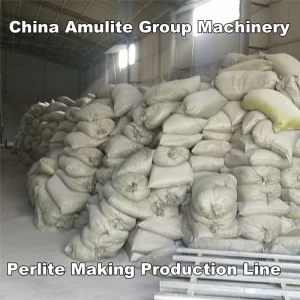
Strictly 100% non-asbestos formula utilizing imported synthetic PVA fibers, refined unbleached kraft wood pulp, micro-silica, and high-early-strength Portland cement, ensuring compliance with European health and environmental standards.
| Performance Indicator | Calcium Silicate Board Line | Medium/High-Density Fiber Cement Board Line |
|---|---|---|
| Target Applications | Ceiling tiles, internal fireproof walls, thermal insulation | Exterior curtain wall cladding, siding panels, heavy flooring |
| Density Range | 0.8 – 1.2 g/cm³ | 1.3 – 1.7 g/cm³ |
| Bending Strength (MOR) | ≥ 10 – 14 MPa | ≥ 16 – 24 MPa (Class 4 / Class 5 EN 12467) |
| Thermal Conductivity | ≤ 0.12 W/(m·K) | ≤ 0.20 W/(m·K) |
| Autoclave Requirement | Mandatory (Tobermorite Phase formation) | Optional (Autoclaved or Natural Air-Cured) |
| Annual Line Capacity | 3,000,000 – 10,000,000 m²/year | 5,000,000 – 20,000,000 m²/year |
As global market dynamics evolve, Turkish procurement directors require more than just machine fabrication; they demand high-reliability industrial automation, structural durability, and rapid spare parts availability. China's advanced machinery ecosystem leads the worldwide building-materials equipment sector by seamlessly integrating global top-tier components with ultra-precise CNC heavy engineering.
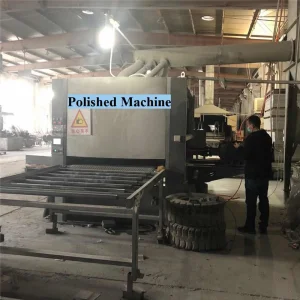
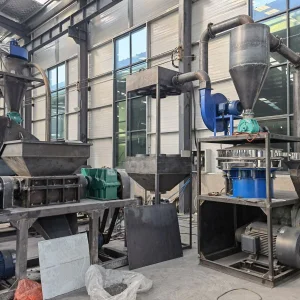
Our manufacturing plant spans over 100,000 square meters, equipped with heavy structural gantry milling, automated robotic welding bays, dynamic balancing systems for sheet-forming cylinders, and rigorous Factory Acceptance Testing (FAT) protocols before container loading.
Fully automated Central SCADA control systems utilizing Siemens S7-1500 PLC hardware, Schneider low-voltage components, and dual Turkish-English HMI touchscreen interfaces for real-time diagnostics.
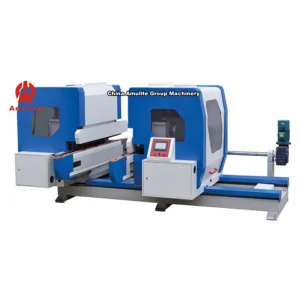
High-speed, precision pneumatic board stacking, de-stacking, cutting, and edge trimming systems ensuring millimeter-level cutting accuracy and zero edge damage during high-velocity production runs.
Eco-friendly closed-loop water treatment systems that reclaim 98% of process water and recycle residual cement-silica slurry back into the mixing vats, eliminating environmental discharge penalties.
Deploying a multi-million-dollar board plant in Turkey requires complete compliance with national and regional regulatory structures. We provide end-to-end EPC (Engineering, Procurement, and Construction) management, guaranteeing that all delivered hardware meets local grid and legal codes:
All pressure vessels (Autoclaves) manufactured for the Turkish market strictly comply with EU Pressure Equipment Directive (PED 2014/68/EU) and TSE regulations. Electrical cabinets carry CE certification, guaranteeing seamless integration with local industrial grid standards (380V/50Hz).
Our senior process engineering team dispatches directly to client factory sites in Turkey (such as Dilovası, Gebze, Aliağa, or Mersin industrial parks). We conduct local raw material testing—adjusting water-cement ratios, silica sand grind fineness, and pulp hydration—to guarantee target board strength on day one.
Connect with our senior process design engineers today. Receive a custom feasibility report, detailed equipment configuration, plant layout drawing, and ROI payback analysis.
Send Inquiry NowIn-depth answers covering machinery configuration, civil works requirements, raw material sourcing, and lifecycle maintenance for Turkish industrial buyers.
Explore our specialized auxiliary systems, finishing machinery, and alternative board manufacturing plants engineered for maximum profitability and industrial versatility.