Explore our flagship heavy-duty industrial machinery, designed for maximum operational uptime, micron-level accuracy, and automated smart factory integration.
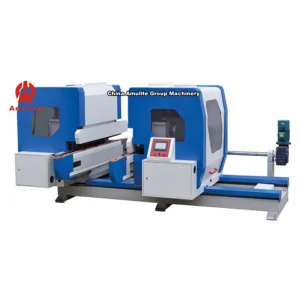
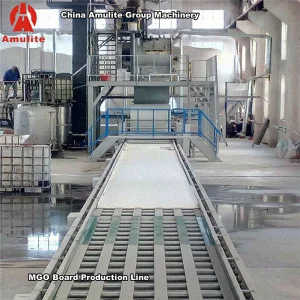
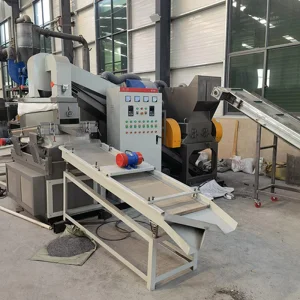
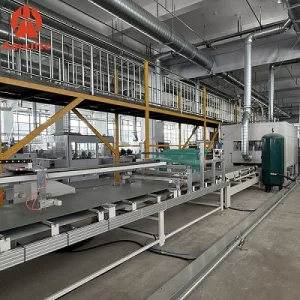
Empowering modern furniture factories and industrial panel processing operations with zero-glueline accuracy, high feed rates, and continuous thermal stability.
In the contemporary wood processing and panel furniture manufacturing landscape, edge banding machinery represents a critical nexus of high-speed mechanical engineering, precise thermodynamic glue controls, and automated computer numerical control (CNC) logic. Global panel processing enterprises face relentless demands for pristine edge quality, seamless moisture resistance, structural longevity, and eco-friendly manufacturing footprints. As custom cabinetry, acoustic architectural elements, and modular office furniture shift toward complex polymer substrate formulations, selecting a world-class edge banding machinery partner becomes a pivotal decision for long-term operational profitability.
The core structural integrity of a famous edge banding machine hinges on its bed design. High-speed operation at linear feed rates of 18 m/min to 32 m/min generates harmonic micro-vibrations that can impair corner trimming precision and leave visible knife chatter marks on delicate acrylic or high-gloss PET edge bands. Premium manufacturing facilities construct machine chassis using heavy-duty, stress-relieved steel tubular frames welded under strict ISO geometry tolerances. Machined linear guide rails and top-mounted pressure beams—equipped with double-row track rollers or heavy-duty motor-driven rubber belts—ensure workpieces remain absolute plane-stable through pre-milling, gluing, end-trimming, fine-scraping, and buffing cycles.
A fundamental parameter in edge banding performance is adhesive thermal chemistry. Legendary machinery builders engineer universal modular glue application units capable of seamlessly switching between distinct adhesive formats:
Counter-rotating diamond cutterheads (PCD) remove micro-tears and scoring marks left by main panel saws, ensuring a perfectly flat 90-degree substrate plane prior to adhesive contact.
Synchronized high-frequency pneumatic tracing motors executing real-time high-speed contour rounding on leading, trailing, top, and bottom panel junctions without stopping production line flow.
Dual radius knives eliminate micro-step ripple marks from milling operations, followed by automated liquid cleaning sprayers and textile buffing wheels for flawless glossy surface sheen.
Analyzing why Fortune 500 panel processing enterprises and high-volume furniture conglomerates partner with premier Chinese machinery manufacturers for capital efficiency and technological scaling.
China's modern industrial machinery clusters integrate localized steel casting, precision CNC tool manufacturing, high-frequency motor production, and PLC electrical assembly within ultra-dense geographical radii. This structural supply chain efficiency allows leading manufacturers to source top-grade raw materials and premium components—such as Schneider electronics, AirTAC pneumatics, and Rexroth guide rails—at scale economies unmatched anywhere globally. Procurement teams benefit from 30% to 45% capital expenditure (CAPEX) savings without compromising on machine mass, precision tolerance, or operational lifespan.
For global enterprise buyers, purchasing edge banding equipment involves assessing long-term Total Cost of Ownership (TCO), including maintenance cycles, spare part availability, power efficiency, and line downtime costs. Chinese manufacturing leaders provide standardized modular component layouts, enabling rapid off-the-shelf component replacement and low lifetime upkeep costs. Combined with intelligent PLC diagnostic protocols, automated lubrication systems, and low-kilowatt high-efficiency thermal heaters, plant managers achieve rapid ROI payback within 8 to 14 months of continuous operation.
Ensuring effortless global site deployment with strict international machinery safety certifications and comprehensive localized technical services.
All edge banding units are engineered to meet stringent European CE Safety Directives and North American UL/CSA electrical standards. Featuring fully enclosed soundproof protection hoods, emergency braking interlocks, dual-channel safety relays, and heavy-duty dust collection hoods engineered for total workplace safety compliance.
Global industrial facilities operate on diverse electrical power configurations. Equipment can be customized to match any plant grid voltage standard—including 380V 50Hz, 415V 50Hz, 220V 60Hz, or 480V 60Hz 3-Phase power—complete with built-in surge suppressors, thermal relays, and insulated industrial enclosures.
To eliminate installation friction, international client support includes multi-lingual field engineers for on-site machinery assembly, foundation calibration, PLC language localization (English, Spanish, Russian, Arabic, French), operator training programs, and remote IoT diagnostic assistance.
Integrating IoT connectivity, automated barcode scanning, and multi-substrate versatility for modern industrial manufacturing ecosystems.
Requires PUR waterproof bonding on moisture-resistant MDF or particleboard. Resists high humidity, steam exposure, and daily cleaning chemicals without edge lifting.
Focuses on thick 3mm ABS/PVC edge protection and heavy solid wood strip edging (up to 15mm thick) for high-impact resistance in commercial facilities.
In-depth technical answers curated by senior wood-processing engineers and automated edge banding specialists.
EVA (Ethylene Vinyl Acetate) is a thermoplastic adhesive that melts when heated and re-solidifies upon cooling. It is easy to operate, economical, and ideal for standard indoor furniture. However, EVA can re-soften at temperatures above 70°C and has limited water resistance. PUR (Polyurethane Reactive) is a thermosetting adhesive that undergoes a chemical reaction with ambient air humidity. Once fully cured, PUR creates a chemical bond that cannot be re-melted, offering exceptional heat resistance up to 150°C, zero water vapor permeability, and an ultra-thin adhesive line (~0.05 mm), making it mandatory for high-end kitchen, bathroom, and laboratory cabinetry.
When raw panels (MDF, particleboard, plywood) are cut on sliding table saws or nesting CNC routers, micro-chipping, blade marks, or vertical inaccuracies can occur along the edge. The pre-milling unit features twin high-frequency diamond cutterheads (PCD) rotating in opposite directions. It removes a precise layer of material (typically 0.5 mm to 2.0 mm) right before adhesive application. This restores a crisp, square, and dust-free 90-degree panel face, guaranteeing seamless glue joint contact and eliminating visible gaps.
Target feed speeds depend on panel volumes and automation levels. Small-to-medium workshops typically operate at 12 to 16 m/min. High-volume industrial plants operating multi-shift schedules require continuous feed speeds of 20 to 32 m/min. Higher speeds demand longer machine chassis, heavy-duty pressure belts, pneumatic tracking response times under 0.05 seconds, and high-frequency motors (18,000–24,000 RPM) to ensure cutting units keep pace with moving panels without causing vibration marks.
Yes. Premium automated edge banding machinery processes a wide spectrum of banding materials including PVC, ABS, Acrylic (PMMA), Wood Veneer, Melamine, and Solid Wood Strips (up to 15 mm). With servo-controlled multi-station magazine feeders and PLC pressure-roller regulation, operators can switch edge tapes automatically via the touchscreen interface without manually adjusting mechanical stops.
Preventative maintenance includes daily cleaning of glue pots, scraping blades, and optical tracking sensors using compressed air and targeted solvent sprayers. Automated centralized lubrication units keep linear guide rails and ball screws greased. High-frequency spindle bearings should be inspected monthly, cutterheads monitored for wear, and pneumatics cleared of condensate to preserve pneumatic response time and panel edge quality.
Zero-Glueline Laser technology utilizes a high-intensity laser beam to melt a co-extruded functional polymer layer on specialized edge tapes, fusing it directly into the panel edge without using conventional liquid glue pots. This yields a seamless optical edge, absolute water proofing, and eliminates glue pot cleaning, thermal preheating delays, and glue residue accumulation on panels. While initial CAPEX is higher, high-end architectural furniture makers achieve substantial gains in brand positioning, premium pricing, and reduced maintenance labor.
Explore our complete range of specialized equipment, heavy crushing units, and automated panel machinery engineered for global enterprise installations.