High-precision heavy equipment engineered for continuous manufacturing of building panels, ceramic tiles, and structural boards.
The global construction and building materials landscape is undergoing a systemic transition toward decarbonization, structural modularity, and operational efficiency. In this evolving paradigm, selecting a reliable China tile machine company is no longer merely a procurement decision—it is a strategic capital investment that determines plant yields, thermal performance, and compliance with modern green building standards (such as LEED, BREEAM, and DGNB).
Modern building material production lines, encompassing flexible clay ceramic tiles, fiber cement boards, calcium silicate panels, autoclaved aerated concrete (AAC) blocks, and non-asbestos corrugated roof sheets, require sophisticated mechanical engineering integration. As global urban expansion drives demand in Southeast Asia, the Middle East, Africa, Latin America, and Eastern Europe, project developers and factory owners are seeking turnkey machinery solutions that balance high automated throughput with localized raw material adaptability.
Leading Chinese machinery OEMs have transformed from low-cost machinery suppliers into high-tier process technology pioneers. By combining European PLC automated control frameworks (Siemens, Schneider, ABB) with robust heavy-fabrication machining, Chinese engineering enterprises deliver plant solutions that drastically lower total cost of ownership (TCO) while guaranteeing strict tolerance metrics across high-volume production schedules.
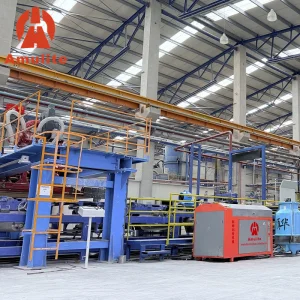
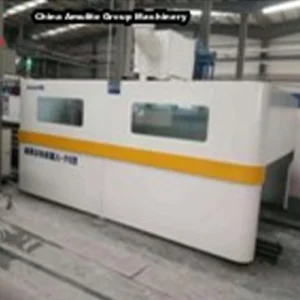
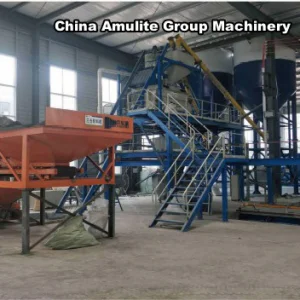
An engineering breakdown of specialized production machinery engineered by China Amulite Group for non-metallic mineral building products.
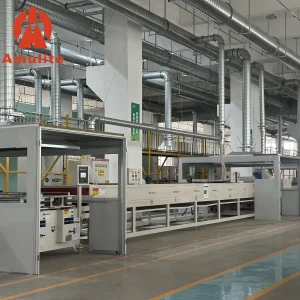
Employs traction-type mesh laminating and low-energy thermal curing technology. Enables production of lightweight, fire-retardant, and pliable architectural tiles matching natural stone, wood, and brick textures for exterior facades.
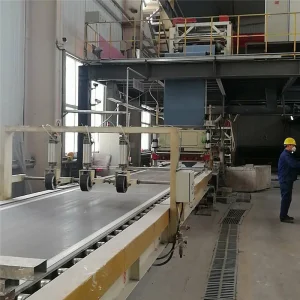
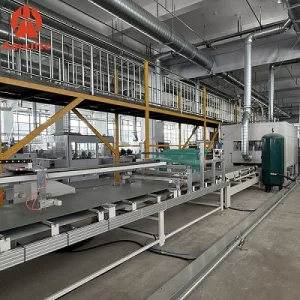
Utilizes multi-vat Hatschek sheet-forming processes, vacuum dewatering vats, auto-stacking manipulators, and high-pressure steam autoclaves. Produces A1 fire-rated boards spanning 4mm to 30mm thickness.
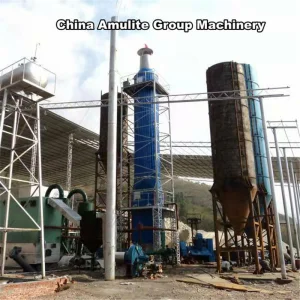
Features automated dosing, high-precision tilting cutters, ferry transport cars, and SCADA-monitored autoclaving cycles. Configured for capacities ranging from 50,000 m³ to 600,000 m³ per annum.
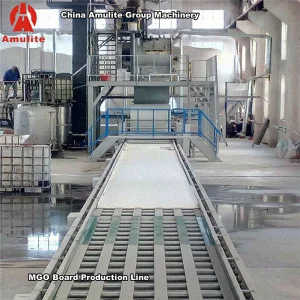
Incorporates magnesium oxide sulphate dosing, double-layer glass-fiber mesh embedding, continuous roll compaction, and temperature-controlled pre-curing tunnels for high-impact structural sheathings.
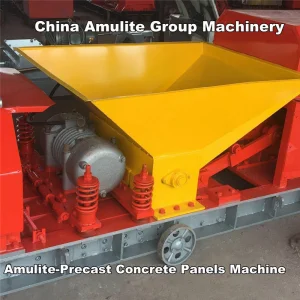
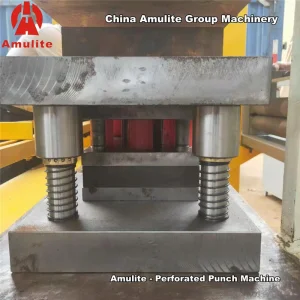
Heavy-duty hydraulic pressing and corrugated mold forming machinery for high-density, weather-resistant roofing sheets and modular architectural precast elements.
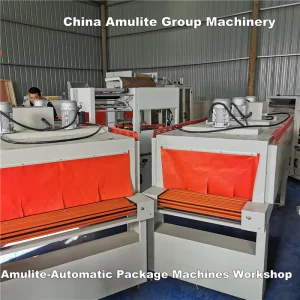
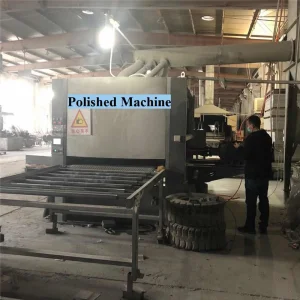
High-speed UV painting lines, single-face edge polishers, automatic punching systems, and robotic palletizing units designed to complete the turnkey manufacturing loop.
Building material production requirements vary dramatically across geographic regions depending on localized climate stresses, seismic activity, regulatory mandates, and raw material availability. China Amulite Group tailors equipment setups to meet these specific operational demands:
Demonstrating Experience, Expertise, Authoritativeness, and Trustworthiness (E-E-A-T) is fundamental to industrial machine engineering. Amulite Group adheres to international industrial manufacturing protocols:
All structural frame welding, pressure vessel fabrication, and electrical control cabinets strictly align with CE directives and ISO 9001 quality management systems.
Steam autoclaves used in calcium silicate, fiber cement, and AAC block plants carry full ASME / PED pressure vessel certifications and NDT non-destructive testing reports.
Prior to global dispatch, core drive motors, hydraulic systems, vacuum dewatering vats, and automated cutting lines undergo comprehensive dry-run FAT inspections.
The next decade of tile machine design focuses on digital twin integration, energy recovery, and zero-carbon matrix formulations:
Integrating optical AI cameras along tile extrusion and cutting conveyors to detect micro-cracks, surface blemishes, and thickness variances in real-time, automatically diverting sub-standard boards before autoclaving.
Advanced steam condensate recovery units and closed-circuit slurry wastewater recycling tanks reduce water consumption per square meter of board by up to 85%.
Machinery designed to handle alkali-activated slag, fly-ash heavy mixtures, and calcined clay, enabling plant owners to lower raw material cement consumption while improving fire-resistance ratings.
Cloud-connected PLC architecture allowing Amulite senior automation engineers to perform remote troubleshooting, firmware updates, and predictive maintenance monitoring worldwide.
In-depth answers to common questions raised by plant investors, mechanical engineers, and procurement directors.
Amulite tile and board production lines are fully scalable. Fiber cement and calcium silicate lines range from 1 million m² to over 30 million m² annually. Capacity depends on sheet width (typically 1,300mm–1,600mm), number of forming cylinders, vacuum dewatering capacity, autoclave volume, and automation level in cutting and stacking.
Yes. Every project includes comprehensive engineering services: factory civil layout engineering, electrical and utility loading schematics, machinery fabrication, on-site mechanical erection supervision, raw material slurry recipe testing (using local cement, sand, fly ash, or pulp), and complete operator training until target board output and strength are achieved.
Equipment manufacturing generally takes 90 to 180 days depending on line complexity and autoclave specifications. On-site installation typically takes 30 to 60 days, followed by 15 to 30 days of trial production, commissioning, and raw material fine-tuning conducted by our resident field engineers.
Traditional ceramic tile production relies on energy-intensive high-temperature kilns (1200°C+). Flexible clay ceramic tile machinery utilizes natural modified mineral powder, fiber reinforcement, and traction-type low-temperature thermal curing. This yields ultra-thin, flexible, lightweight tiles with 80% lower energy consumption during manufacturing.
We provide structured long-term support, including a 2-year warranty on major structural components, supply of critical wear parts, 24/7 remote PLC network diagnostics via VPN/IoT interfaces, on-site service visits, and continuous process optimization whenever new board densities or finishes are introduced.
Explore our full line of specialized block, panel, tile, and recycling production systems engineered for global industrial deployments.
Contact China Amulite Group's project management office. Provide your target board specifications, annual capacity requirements, and local raw material data for a turnkey feasibility proposal and machinery quotation.