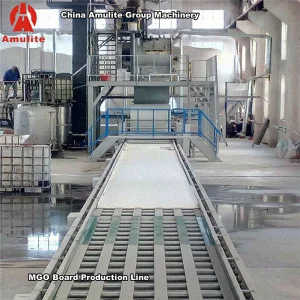
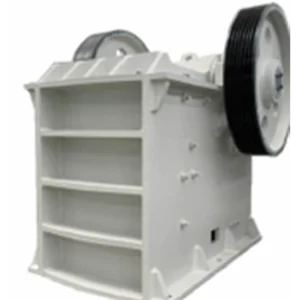
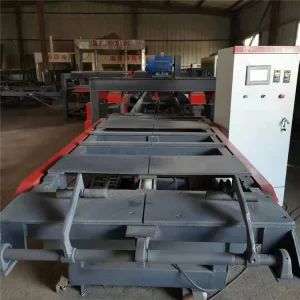
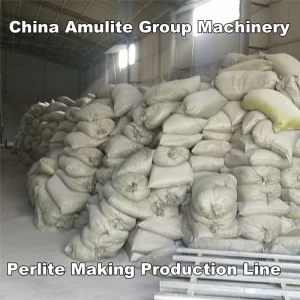
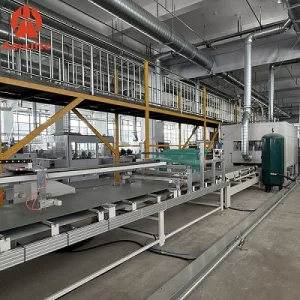
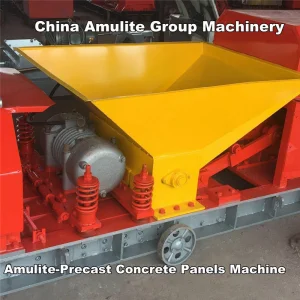
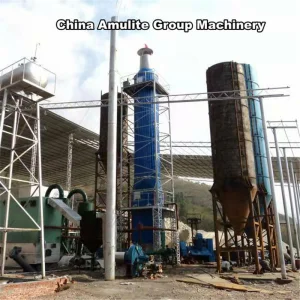
High-precision heavy machinery engineered for thermal efficiency, structural rigidity, and fully automated precast panel production.
Analyzing the macro-economic and engineering parameters driving the transformation of precast wall panel manufacturing across modern construction markets.
The modern construction industry is experiencing a seismic paradigm shift toward decarbonized, modular, and lightweight building envelope technologies. At the heart of this global transition is the Expanded Polystyrene (EPS) Lightweight Cement Sandwich Wallboard Machine. Positioned at the intersection of modern chemical engineering and automated structural precasting, EPS wallboard machinery transforms basic raw materials—Ordinary Portland Cement (OPC), expandable polystyrene beads, fly ash, silica sand, and fiber cement or calcium silicate face sheets—into high-performance structural wall panels.
As primary global suppliers and machinery manufacturers based in China, leading engineering groups have re-architected traditional precast casting setups. Modern EPS wallboard plants utilize closed-loop digital batching, high-shear slurry cavitation, automatic vertical mould car movement, and automated demoulding systems. This technology addresses pressing macro-challenges: skyrocketing global labor costs, stringent building thermal efficiency mandates (such as EU NZEB standards and Middle Eastern ISO 14001 green building codes), and the urgent requirement for high-seismic resilience in prefabricated high-rise civil architecture.
Information Gain Insights: Traditional masonry construction yields an average aerial mass exceeding 220 kg/m², incurring massive foundation structural loads. In contrast, advanced EPS composite sandwich panels manufactured via automated Chinese machinery lines maintain a density between 550 and 700 kg/m²—reducing overall structural dead load by up to 60% while accelerating wall assembly velocity by 400% to 600%.
A detailed examination of the six core engineering modules comprising a world-class EPS wallboard manufacturing plant.
Incorporates a multi-stage steam fluidized bed expander equipped with German Siemens PLC pressure control valves. Raw pentane-blown EPS beads undergo precise volumetric expansion (density accuracy controlled within ±0.5 g/L). Expanded beads pass through fluid-bed dryers into stainless steel aging silos equipped with ultrasonic level sensors for optimal cell membrane stabilization.
Features planetary dual-shaft high-shear mixers configured with pneumatic load cells for automated gravimetric dosing. Cement, fly ash, chemical foaming agents, water, and specialized polycarboxylate ether (PCE) superplasticizers are combined under variable frequency drive (VFD) speed regimes to achieve optimal rheological slurry suspension without EPS bead flotation.
Constructed from heavy-gauge structural steel with CNC-machined tongue-and-groove side templates. Modern vertical mould cars feature automatic side-plate opening, closing, and hydraulic locking mechanisms capable of withstanding lateral hydrostatic slurry pressures up to 1.5 MPa. Dual-face fiber cement boards are inserted automatically via servo suction arms.
A mobile overhead gantry pump unit feeds homogeneous EPS-cement slurry simultaneously into up to 40 mould cavities. Integrated high-frequency, low-amplitude pneumatic bottom vibrators eliminate entrapped air voids around the perimeter, guaranteeing pristine face-sheet bond integrity and perfect edge profiling.
Utilizes enclosed low-temperature steam curing chambers (45°C to 65°C) equipped with waste-heat recycling loops to achieve 70% 28-day hydration strength in under 8 hours. Automated overhead vacuum stacking robots tip the cured panels 90 degrees, extract them from the moulds, and bundle them onto shipping pallets automatically.
The plant command center is integrated via Industrial Ethernet (Profinet) running centralized SCADA architecture. Operators monitor live batch weights, slurry moisture telemetry, steam consumption rates, and real-time OEE (Overall Equipment Effectiveness) parameters with cloud-linked remote diagnostic overrides.
Empirical data demonstrating physical, structural, and thermal advantages of EPS composite panels.
| Performance Parameter | EPS Cement Sandwich Panel | Autoclaved Aerated Concrete (AAC) | Hollow Concrete Block | Red Clay Brick |
|---|---|---|---|---|
| Dry Bulk Density (kg/m³) | 550 – 680 | 500 – 700 | 1,200 – 1,400 | 1,700 – 1,900 |
| Thermal Conductivity (W/m·K) | 0.045 – 0.065 | 0.13 – 0.16 | 0.45 – 0.60 | 0.70 – 0.85 |
| Compressive Strength (MPa) | 3.5 – 7.5 | 3.2 – 5.0 | 5.0 – 10.0 | 10.0 – 15.0 |
| Sound Insulation Index (dB, 100mm) | 46 – 52 dB | 38 – 42 dB | 40 – 44 dB | 42 – 45 dB |
| Fire Endurance Rating (100mm) | > 4 Hours (Non-combustible) | > 4 Hours | 2 – 3 Hours | 3 – 4 Hours |
| Installation Velocity (m²/worker/day) | 35 – 50 m² | 15 – 20 m² | 8 – 12 m² | 5 – 8 m² |
| Moisture Absorption Rate (%) | < 6% (Hydrated matrix) | 15% – 25% (Hygroscopic) | 10% – 15% | 12% – 18% |
How custom engineering adapts Chinese EPS wallboard machinery to distinct geographical and building requirements.
Environmental Challenge: Extreme relative humidity, heavy monsoon rain precipitation, and high ambient temperatures requiring mould-resistant and non-hygroscopic building materials.
Machinery Adaptation: Core slurry formulas incorporate hydrophobic chemical sealants, while panel edges utilize interlocking male-female grooves with anti-capillary drainage breaks. Fiber cement skin board feeding modules are coated with anti-fungal primer during automatic staging.
Environmental Challenge: Ambient summer temperatures exceeding 50°C, severe diurnal thermal cycling, sandstorms, and demanding air-conditioning energy consumption mandates.
Machinery Adaptation: EPS expanders are re-engineered for higher-density EPS bead core centers (up to 20kg/m³ equivalent core density), optimizing thermal resistance (U-values below 0.28 W/m²K) for residential high-rises in Saudi Arabia and the UAE.
Environmental Challenge: High earthquake vulnerability (e.g., Pacific Ring of Fire, Andean zones) demanding structural ductility and lightweight curtain wall assemblies.
Machinery Adaptation: Wallboard lines integrate automated mesh-reinforcement feeding systems, embedding steel mesh or high-tensile alkali-resistant fiberglass mesh inside the cement slurry matrix to prevent shear failure during seismic displacements.
Pioneering advancements shaping the next decade of precast composite wall panel manufacturing.
Integration of real-time viscosity sensors and AI algorithms inside the primary mixing tank. Automatic adjustment of superplasticizer ratios compensates for raw cement temperature fluctuations. In-line ultrasonic scanning detects internal micro-voids prior to chamber curing.
Replacing 100% of OPC cement with alkali-activated slag and fly ash geopolymers, reducing embodied carbon by 80%. Equipment modifications allow 50%+ inclusion of post-consumer recycled EPS packaging scrap crushed into micro-spheres without sacrificing tensile bonding.
Implementation of fully autonomous, AGV-driven transport systems across the factory floor. Automated robotic arm assembly of electrical conduit channels, socket cutouts, and pre-applied exterior decorative cladding finishes directly on the vertical moulding line.
Direct technical insights for plant directors, civil engineers, and industrial project investors.
A standard structural EPS wallboard core mixture comprises Ordinary Portland Cement 42.5R (35–45%), fine silica sand or fly ash (30–40%), pre-expanded EPS beads (3–5% by weight, spanning ~60% by volume), chemical foaming/admixture additives (1–2%), and water (20–25%). Face skins consist of 4.5mm–6mm fiber cement boards or calcium silicate boards.
Bead flotation occurs due to the extreme density mismatch between EPS (~15-20 kg/m³) and wet cement slurry (~1800 kg/m³). Modern machinery solves this by utilizing specialized PCE chemical thickeners, controlling slurry yield stress via thixotropic additives, and applying planetary vertical mixing profiles that encapsulate beads before pouring into the vertical mould cars.
A standard 500,000 m²/year line requires a covered workshop area of approximately 3,500 to 5,000 square meters with a minimum hook height of 6 meters. Connected electrical power capacity is typically 180 kW – 250 kW. Steam generation requirement for the EPS expander and curing tunnels is around 1.5 to 2.0 tons per hour at 0.8 MPa pressure.
The main heavy-duty structural frame of the vertical mould car has a design lifespan exceeding 15 years under continuous two-shift operation. Wear components, such as rubber sealing gaskets and side-template release linings, undergo preventive replacement every 6 to 12 months. Automatic centralized lubrication systems preserve hydraulic cylinders and mechanical hinges.
Yes. By removing the automatic face board feeding step and inserting smooth, polished side mold plates, the line seamlessly produces homogeneous solid EPS lightweight concrete panels. These solid panels are widely used for interior partition walls in commercial projects requiring post-installation plastering or direct tiling.
Explore complimentary downstream equipment, recycled material plants, and auxiliary processing machinery.