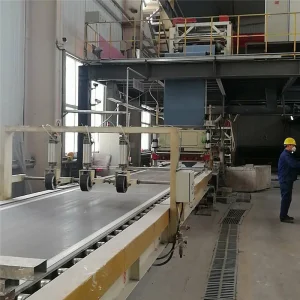
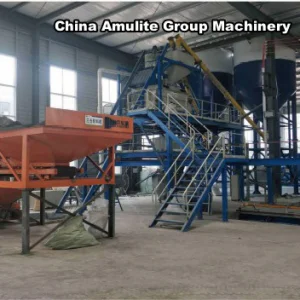
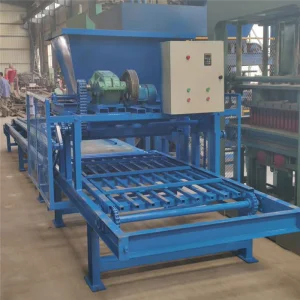
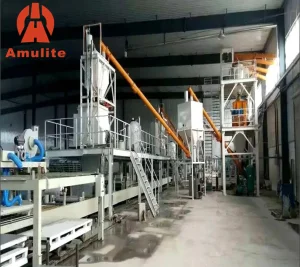
China EPS Sandwich Panel Line Manufacturers & Products

An Industrial Whitepaper on Automated Cementitious EPS Panel Machinery, Advanced Material Science, Supply Chain Resilience, and Next-Generation Sustainable Construction Infrastructure.

Featured Machinery Matrix

Primary Industrial Plant Solutions (Part I)

Engineered for extreme output efficiency, structural integrity, and automated process control in modern prefabricated building board manufacturing.
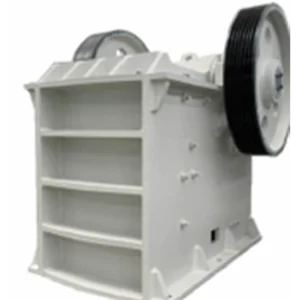
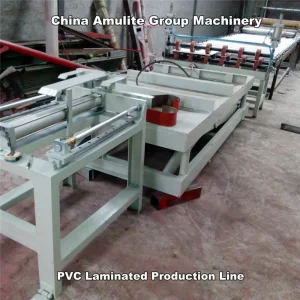
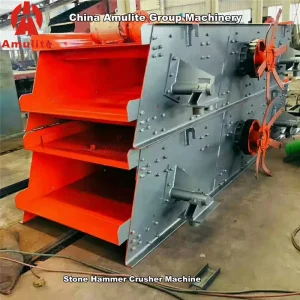
Buy Stone Hammer Crusher 6CX Euro Series Jaw Crusher Company, Product

Stone Hammer Crusher 6CX Euro Series Jaw Crusher

View Product Details →
China PVC Laminated Production Line Factories, Products

China PVC Laminated Production Line System

View Product Details →
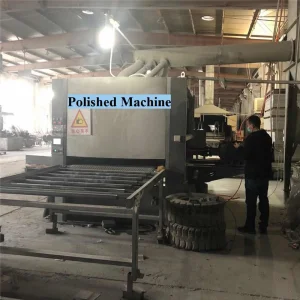
China Single Face Polished Machine Manufacturers, Suppliers

China Single Face Polishing Machine Equipment

View Product Details →
OEM Stone Hammer Crusher Machine Suppliers, Factory

OEM Heavy-Duty Stone Hammer Crusher Unit

View Product Details →
OEM 1300 II Type Automatic Four Side Edge Cutting Machine Factory, Companies

Automatic Four Side Edge Cutting Machine 1300 II

View Product Details →
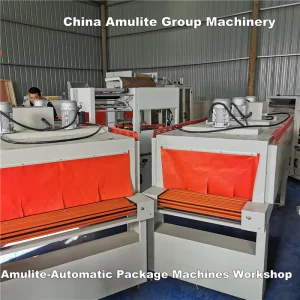
Famous Automatic Package Machines Workshop Factory, Company

Famous Automatic Packaging Machinery System

View Product Details →
Buy Gypsum Powder Production Line Supplier, Product

High-Yield Gypsum Powder Production Line

View Product Details →
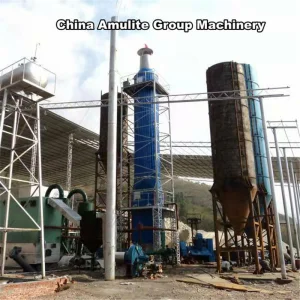
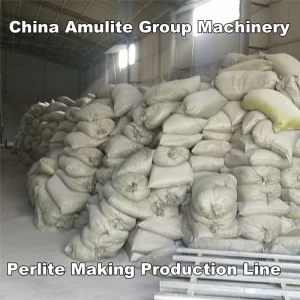
Buy Perlite Production Line Manufacturers, Company

Industrial Expanded Perlite Production Line

View Product Details →
Executive Whitepaper Overview

Global Macro Demand & EPS Wall Panel Paradigm Shift

Analyzing the architectural movement toward lightweight structural insulated concrete sandwich panels and China's dominance in turnkey line fabrication.

The global construction industry is undergoing an unprecedented structural transition toward modular prefabrication, thermal decarbonization, and rapid spatial assembly. Driven by stringent international energy efficiency mandates (such as EU Directive 2024/1275 on the Energy Performance of Buildings and US ASHRAE 90.1 standard upgrades), conventional masonry, hollow clay block, and heavy cast-in-place concrete structures are rapidly being replaced by composite lightweight wall panel systems. Among these advanced innovations, Expanded Polystyrene (EPS) Cement Sandwich Wall Panel Production Lines designed and manufactured in China stand at the forefront of this industrial revolution.
An EPS sandwich cement wall panel is a composite structural wall unit featuring high-density fiber cement or calcium silicate boards as its double-layer exterior faces, filled with a specialized core matrix consisting of Portland cement, expanded polystyrene (EPS) foam beads, fly ash, chemical additives, and micro-air entraining agents. This synergistic formulation achieves an outstanding strength-to-weight ratio, delivering superior thermal resistance ($\lambda \le 0.045 \text{ W/m}\cdot\text{K}$), high acoustic attenuation ($STC \ge 45\text{ dB}$), and non-combustible A-class fire performance.
70%
Weight Reduction vs Masonry
5x
Faster On-Site Installation
100,000+
Sqm Plant Footprint Scalability
4 HR
A-Grade Fire Resistance
Mechanical Engineering Blueprint

Technical Architecture of China EPS Sandwich Panel Lines

Detailed breakdown of the 5 core automated subsystems within an industrial-grade EPS cement sandwich panel manufacturing plant.

1. Raw Material Dosing & Slurry Homogenization

Fully automated pneumatic loss-in-weight batching systems precisely weigh cement, fly ash, silica sand, and foam additives. Dual-shaft forced planetary mixers ensure ultra-uniform dispersion of micro-EPS beads without crushing the cell walls, ensuring consistent core density ($D600 - D1000 \text{ kg/m}^3$).

2. Continuous Board Feeding & Mould Car Charging

High-speed automated mechanical arms load non-asbestos fiber cement face sheets into vertical or horizontal battery mould cars. Synchronized hydraulic pumping systems inject the homogenized foam cement slurry with zero air entrapment, utilizing high-frequency micro-vibration platforms.

3. Accelerated Hydration & Thermostatic Curing Tunnels

Energy-efficient steam curing chambers maintain optimized moisture and thermal profiles ($55^\circ\text{C} - 65^\circ\text{C}$). Advanced waste heat recovery units capture exothermic hydration energy, reducing primary energy consumption by up to 35% while accelerating 24-hour green strength development.

4. Automatic Demoulding & Servo Edge Trimming

Robotic vacuum tilters extract cured wall panels from the mould cars without surface micro-cracking. Fully enclosed multi-blade diamond saw stations automatically trim panel margins, creating tongue-and-groove or flat interlocking joint profiles with precision tolerances within $\pm 0.5 \text{ mm}$.

5. Automated Palletizing & Shrink-Wrapping Line

Integrated output stations feature automatic wooden pallet feeders, protective corner guard appliers, continuous stretch-wrapping, and barcode RFID inventory tracking units, readying final product stacks for immediate yard storage or sea-freight transport.

6. Centralized PLC SCADA Control Matrix

Powered by industrial-grade Siemens S7-1500 PLCs and interactive HMI touch interfaces. Real-time sensor monitoring feeds data into dynamic cloud dashboards, allowing plant managers to oversee raw material consumption, batch consistency, and thermal cure cycles remotely.

Performance Characteristic Standard EPS Sandwich Cement Panel Solid Brick Masonry Wall Hollow Concrete Block (AAC)
Areal Density (90mm thickness) 55 – 68 kg/m² 210 – 240 kg/m² 110 – 140 kg/m²
Compressive Strength ≥ 3.5 – 5.0 MPa ≥ 5.0 MPa ≥ 3.5 MPa
Thermal Conductivity ($\lambda$) 0.038 – 0.045 W/m·K 0.70 – 0.90 W/m·K 0.16 – 0.22 W/m·K
Airborne Sound Insulation 42 – 50 dB 45 – 48 dB 38 – 42 dB
Fire Resistance Rating (Hours) 2 to 4 Hours (A1 Non-combustible) 4 Hours 2 to 3 Hours
Daily Installation Rate (per Worker) 35 – 50 m²/day 5 – 8 m²/day 10 – 15 m²/day
Field Application Engineering

Localized Application Scenarios & Regional Engineering Adaptation

Deploying EPS sandwich panel lines optimized for unique global climatic zones, structural codes, and construction requirements.

A. Seismic-Resilient Modular Housing (Pacific Rim & Andean Regions)

In earthquake-prone regions such as Chile, Japan, Indonesia, and Turkey, structural dead-load reduction is vital to preventing building collapse during seismic excitation. EPS cement wall panel lines engineered by top Chinese manufacturers produce panels integrated with male-female interlocking tongue-and-groove joints. When secured with flexible polyurethane sealant and concealed steel clip connectors, these panel partitions absorb inter-story shear displacement without brittle fracture, fulfilling Zone 4 seismic engineering standards.

B. Extreme Thermal Envelope for Cold & Tropical Climates

From the sub-zero winters of Central Asia and Northern Europe to the scorching summer heat of the Middle East (GCC region), energy preservation inside commercial high-rises and residential developments is paramount. Modern EPS sandwich panel lines allow factory adjustment of EPS bead volumetric ratios. Higher EPS concentration yields an exterior wall cladding system with exceptional thermal resistance, drastically decreasing HVAC electricity consumption for air conditioning or heating load by up to 40%.

C. High-Humidity & Coastal Marine Construction

Traditional gypsum-board drywalls deteriorate rapidly under high ambient humidity or coastal salt-spray exposure. EPS cement wall panels utilize fiber cement or calcium silicate skin boards that are completely water-impermeable and moisture-resistant ($< 10\%$ moisture absorption). Factory lines can incorporate hydrophobic chemical additives into the cementitious foam matrix, rendering the panels ideal for coastal hotel partitions, wet-room enclosures, and tropical social housing schemes.

D. Rapid Industrial Logistics Parks & Cold Storage Enclosures

For mega distribution centers, agricultural processing units, and cold-chain logistics facilities, construction speed directly dictates commercial ROI. Utilizing full-height (up to 3.0m) continuous EPS sandwich wall panels enables installation speeds up to 5 times faster than conventional masonry. The fire-retardant EPS core combined with non-combustible facing skins provides 3-hour certified fire separation walls required by industrial insurers.

R&D Innovation Horizon

Technology Roadmap & Future Industry Outlook (2025 – 2035)

Next-generation engineering breakthroughs transforming EPS cement panel production lines toward zero-carbon emissions and smart automated manufacturing.

1. Bio-Based & Recycled EPS Feedstock Integration

To comply with global circular economy policies, advanced machinery lines are now equipped with post-consumer EPS crushing and de-dusting granulators. This allows up to 50% recycled expanded polystyrene content to be seamlessly re-introduced into the foam concrete matrix without degrading compressive bond strength.

2. Ultra-Low Carbon Geopolymer Binder Formulations

Engineers are actively replacing energy-intensive Ordinary Portland Cement (OPC) with alkali-activated geopolymer binders derived from industrial slag, blast furnace slag, and calcined clay. Next-gen EPS lines feature chemical dosing modules specifically calibrated for rapid geopolymer gelation.

3. AI-Vision Quality Inspection & Ultrasonic Testing

Incorporating automated inline vision cameras and ultrasonic sensors across the trimming conveyor line. The system scans each panel for surface micro-fissures, thickness deviations, and core density voiding in real time, automatically sorting non-compliant units into recycling loops.

Supply Chain Dominance

China Factory Supply Chain Resilience & Efficiency Advantages

Why premier international building material manufacturers partner with Chinese machinery OEMs for turnkey project deployment.

Evaluating an industrial plant vendor requires looking far beyond initial equipment purchase cost. Leading global construction groups choose Chinese EPS sandwich panel line manufacturers due to unmatched supply chain integration, rapid engineering execution, and complete manufacturing ecosystem synergies:
  • Industrial Cluster Synergy: Machinery manufacturing hubs in Hebei, Jiangsu, and Shandong provinces benefit from localized access to high-grade structural steel, precision CNC machining centers, specialized rubber/silicone mold fabricators, and PLC electrical assembly plants. This eliminates component bottlenecks and enables plant delivery within 90 to 120 days from contract signing.
  • Turnkey Engineering Customization: Unlike Western machinery suppliers who offer rigid standard models, Chinese manufacturers provide bespoke modular designs tailorable to a client's available land plot, local power grid parameters, steam availability, and target annual output (ranging from 300,000 m²/year up to 5,000,000 m²/year).
  • Unbeatable Cost-to-Performance Payload: Capital expenditure (CAPEX) for a complete Chinese automated EPS wall panel line is typically 40% to 60% lower than equivalent European installations, while maintaining identical core component standards (such as Siemens drives, Schneider electrics, Omron sensors, and Yuken hydraulics).
  • Comprehensive Raw Material Formulation Support: Top manufacturers like Amulite Group operate in-house material technology labs. They analyze client-provided local cement, sand, fly ash, and aggregate samples to deliver optimized, cost-effective chemical batching recipes prior to equipment shipment.
Quality & Compliance Assurance

Global Regulatory Compliance & Localized Technical Service

Ensuring full compliance with international safety, environmental, and electrical standards backed by lifetime technical assistance.

Certifications & Standards

All machinery components comply strictly with international safety mandates. Electrical enclosures carry CE marking under Low Voltage Directive 2014/35/EU and EMC Directive 2014/30/EU. Pressure vessels and autoclaves meet ASME Section VIII and PED 2014/68/EU guidelines.

On-Site Commissioning & Training

Senior mechanical, electrical, and process engineers deploy directly to overseas job sites for foundation verification, equipment positioning, wiring integration, dry running, trial batching, and intensive local workforce training.

IoT Remote Diagnostics

Equipped with secure cloud gateway routers, Chinese engineering teams offer 24/7 remote PLC program troubleshooting, firmware updates, and predictive maintenance alerts to minimize unscheduled factory downtime.

Buyer Knowledge Base

Frequently Asked Technical & Operational Questions (FAQ)

Expert answers to key capital investment, raw material, process engineering, and maintenance inquiries.

Q1: What are the primary raw materials required to operate an EPS cement sandwich wall panel line?
The core formulation requires Ordinary Portland Cement (OPC Grade 42.5 or 52.5), Expanded Polystyrene (EPS) foam beads (density 12–16 kg/m³), Class F Fly Ash or fine silica sand, clean mixing water, specialized cement foaming/air-entraining agents, and pre-manufactured non-asbestos fiber cement boards or calcium silicate boards (4mm or 5mm thickness) for the exterior face skins.
Q2: What is the typical land area and power infrastructure needed for a 1,000,000 m²/year capacity line?
A standard 1,000,000 m²/year production plant requires a covered indoor workshop footprint of approximately 4,500 to 6,000 m² (minimum ceiling clearance 6.5m), plus an outdoor curing and pallet storage yard of 5,000 to 8,000 m². The total installed electrical power capacity is roughly 180 kW to 250 kW, alongside a 2-ton steam boiler or thermal oil heater for accelerated curing rooms.
Q3: How do EPS cement sandwich panels compare to Autoclaved Aerated Concrete (AAC) blocks in installation speed and cost?
While AAC blocks require wet-mortar jointing and full-surface plastering, EPS sandwich panels feature dry-work installation with pre-engineered tongue-and-groove joints. A two-worker team can install up to 50 m² of EPS sandwich panels per day compared to only 15 m² of AAC blocks, reducing site labor costs by up to 60% and eliminating plastering mortar requirements completely.
Q4: How does the plant prevent core delamination between the EPS cement mix and the outer skin board?
Preventing skin delamination relies on three critical factors: chemically modifying the face board's internal surface with interface primers, maintaining optimal slurry water-cement ratios during dynamic mixing, and utilizing high-efficiency bonding polymers within the cementitious matrix that chemically bond with the silicate matrix of the face boards during thermal curing.
Q5: What is the ROI payback timeline for a turnkey Chinese EPS panel line investment?
Based on historical global installation metrics in Southeast Asia, the Middle East, and Latin America, most plant operators achieve full capital expenditure (CAPEX) payback within 12 to 18 months of reaching 65% factory capacity utilization, driven by strong gross profit margins ($\sim 35\% - 50\%$) on finished wall panels.
Complete Equipment Catalog

Primary Industrial Plant Solutions (Part II)

Explore our complementary building material machinery portfolio engineered for maximum plant efficiency and global compliance.
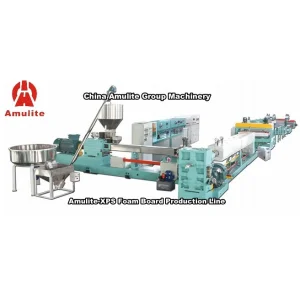
OEM Amulite CO2 XPS Foam Board Production Line Factory, Factories

OEM Amulite CO2 XPS Foam Board Production Line

View Product Details →
Famous Amulite AAC Blocks Customized Automatic Machines- 4.2m Manufacturers, Company

Amulite AAC Blocks Automatic Line (4.2m)

View Product Details →
OEM EPS Sandwich Cement Wall Panels Production Line Companies, Products

OEM EPS Sandwich Cement Wall Panels Line

View Product Details →
China Expanded perlite production line Supplier, Products

China Expanded Perlite Machinery Plant

View Product Details →
China Gypsum Board Production Line Supplier, Factories

China Gypsum Board Production Line Plant

View Product Details →
Buy Hollow Core Wall Panels Production Line Factory, Factories

Hollow Core Cement Wall Panel Line

View Product Details →
China Automatic Bricks Making Production Line Manufacturers, Products

Automatic Concrete Brick Making Machine Line

View Product Details →
Best XPS Insulation Tile Backer Production Line Supplier, Companies

Best XPS Insulation Tile Backer Board Line

View Product Details →