Top Panel Forming Machine Manufacturers for Global Buyers

Time:2026-10-25 Author:Amelia
0%

Global buyers are entering a more demanding market for Panel Forming Machine technology. Steel prices fluctuate, delivery expectations tighten, and energy costs influence every production decision. The World Steel Association reported approximately 1.88 billion tonnes of crude steel production worldwide in 2024. That enormous volume supports continued investment in efficient forming equipment. Yet steel output alone does not guarantee reliable machine demand.

Manufacturers now compete through forming accuracy, line speed, automation, and service quality. The International Energy Agency’s buildings research highlights the construction sector’s significant energy and emissions footprint. This pressure encourages producers to reduce material waste and improve machine efficiency. UNIDO’s Industrial Development Report 2024 also emphasizes digital transformation and resilient manufacturing systems. These findings matter when buyers compare roll forming lines, panel machines, and integrated production cells.

A strong supplier should provide verifiable specifications, factory evidence, sample panels, and responsive technical support. Look for clear tolerances, compatible coil materials, motor details, control-system brands, and realistic output rates. Installation training matters. Spare parts matter more than many brochures admit. A useful comparison also examines warranty terms, software updates, safety compliance, and local service capacity.

No ranking is perfect. Buyer priorities vary by region, panel profile, and factory scale. Some manufacturers excel at customization, while others offer stronger standardization and faster delivery. This guide evaluates leading Panel Forming Machine manufacturers through practical purchasing criteria, not marketing claims alone. It also recognizes an uncomfortable truth: the lowest initial price can become expensive after downtime, tooling changes, or delayed support.
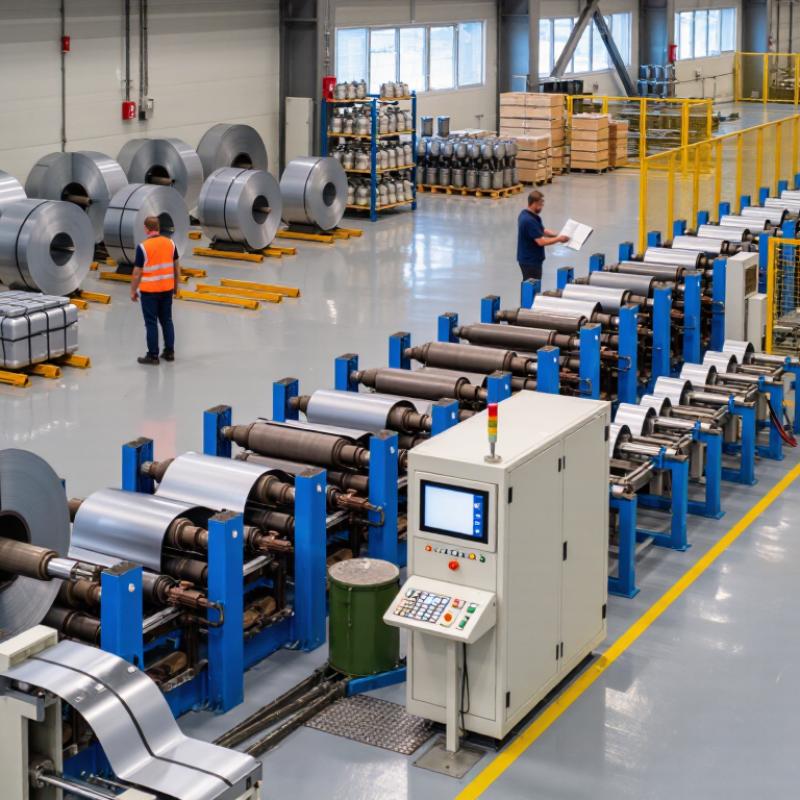
Top Panel Forming Machine Manufacturers for Global Buyers

What Is a Panel Forming Machine and How Does It Work?

What Is a Panel Forming Machine and How Does It Work?

A panel forming machine converts flat metal coil into roofing, wall, or structural panels. The process starts with a decoiler, which releases steel or aluminum at a controlled speed. A leveler removes coil memory, while guide rollers center the strip. Forming stations then bend the material gradually into the required profile. Finally, a flying saw or shear cuts each panel to length.

The method looks simple, but small errors quickly become visible. Uneven coil tension can create twisted edges or inaccurate overlaps. In my experience, the first panel often needs careful inspection. It may reveal alignment problems that drawings cannot show. Operators check width, rib height, cut length, and surface scratches.

The machine’s value reflects wider steel demand. The World Steel Association reported approximately 1.89 billion tonnes of crude steel production in 2023. Its Steel Facts publication also identifies construction as the largest steel-consuming sector, representing roughly half of global demand. These figures explain the continuing need for efficient panel production.

However, output speed alone is not enough. A reliable machine must maintain dimensional accuracy, reduce material waste, and allow practical adjustments for different coil thicknesses. Control systems help, but skilled setup still matters. Mistakes happen.

Key Features to Compare Among Panel Forming Machine Manufacturers

Comparing panel forming machine manufacturers starts with production evidence, not catalog photographs. The World Steel Association’s October 2024 Short Range Outlook projected global steel demand at about 1.75 billion tonnes in 2024. This scale makes stable forming accuracy increasingly important. Ask for sample panels using your actual steel grade, thickness, coating, and target speed. Measure profile tolerance, surface marks, and rejected pieces.

Pay close attention to the forming line’s control system. Reliable manufacturers should provide synchronized servo feeding, closed-loop length control, overload protection, and traceable production data. The International Federation of Robotics reported 541,302 industrial robots installed worldwide in 2023. That figure reflects wider automation adoption, but automation alone is not proof of quality. A complex interface may still frustrate operators. Request a live demonstration, maintenance records, and a clear response time for technical support.

Tooling design deserves equal scrutiny. Compare roll-material hardness, shaft diameter, bearing protection, quick-change features, and adjustment repeatability. Ask whether replacement rolls can be inspected without dismantling half the line. Energy use also matters. The International Energy Agency continues to identify industrial efficiency as a major route for reducing manufacturing energy demand. Do not accept vague “high efficiency” claims. Require measured power consumption under a defined load. One overlooked detail is documentation. Incomplete wiring diagrams and unclear spare-part codes can create costly delays. A lower purchase price may become expensive after installation.

Top Panel Forming Machine Manufacturers for Global Buyers

Key Features to Compare Among Panel Forming Machine Manufacturers

The chart presents commonly specified reference ranges for industrial panel roll-forming machines. Buyers should compare working width, supported material thickness, forming speed, roll-station count, and installed power against their required panel profile, material grade, production volume, and automation level. Each feature uses its own engineering unit, so bar length should not be used to rank the features against one another.

Leading Panel Forming Machine Manufacturers for Global Buyers

Leading panel forming machine manufacturers serve global buyers through engineering depth, stable production, and responsive technical support. Their equipment typically processes galvanized steel, aluminum, or pre-painted coils into roofing and wall panels. Reliable manufacturers explain forming speed, material thickness, profile tolerance, and power requirements clearly. They do not hide these details behind attractive photographs.

A capable supplier should provide factory records, machine drawings, load tests, and documented quality checks. Buyers should inspect the decoiler, leveling unit, servo feeder, forming stations, cutting system, and control cabinet. Each component affects panel accuracy. For example, poorly aligned rollers may create edge waves after several production hours. Good manufacturers also offer installation guidance, operator training, spare parts, and remote troubleshooting for overseas plants.

Certifications matter, but they need careful verification. Buyers should compare applicable electrical, safety, and import requirements in the destination country. A dependable manufacturer welcomes video inspections and accepts sample production before final approval. No supplier is perfect. Even advanced equipment may need adjustment when coil hardness, humidity, or workshop temperature changes. That limitation deserves honest discussion. Lead time, warranty coverage, software language, and service response should appear in the contract, not only in sales conversations. A practical comparison often reveals that the cheapest quotation carries higher setup and maintenance costs.

How to Evaluate Quality, Technology, and Production Capacity

Top Panel Forming Machine Manufacturers for Global Buyers

How to Evaluate Quality, Technology, and Production Capacity

Choosing a panel forming machine requires more than comparing prices. A reliable evaluation begins with machine structure, forming accuracy, and long-term operating stability. Inspect the frame thickness, roller alignment, cutting tolerance, and control system during a factory visit. Ask for measured samples, not only catalog photographs. A well-made panel should maintain consistent dimensions across repeated production runs. Small deviations can create installation problems later.

Technology must match your actual material, panel profile, and production speed. Review the feeding method, changeover time, automation level, and safety controls. Request production data from comparable projects. Capacity claims can sound impressive, but output depends on material thickness, operator skill, and maintenance intervals. Examine inspection records, component traceability, and testing procedures. Third-party certifications may help, but they do not replace practical verification. I have found that factory demonstrations often reveal details missing from technical sheets.

Tips: Compare at least three test samples. Measure width, length, and profile depth yourself. Ask how defects are handled. Confirm spare-part availability, training, installation support, and response times in writing. Visit an operating customer site when possible. Do not judge capacity by speed alone; stable quality matters more. Some buyers overlook noise, floor space, and power requirements. That is an expensive mistake. Even experienced purchasing teams can underestimate commissioning time, so leave room for adjustments.

Top Panel Forming Machine Manufacturers for Global Buyers - How to Evaluate Quality, Technology, and Production Capacity

No. Evaluation Dimension Practical Benchmark What Buyers Should Verify Why It Matters Recommended Evidence
1 Forming Width Common production configurations cover approximately 1,000–1,250 mm of effective panel width, depending on the panel type and application. Confirm the usable forming width rather than the total machine width, including edge clearance and trimming allowance. Incorrect width selection can reduce material yield and prevent the line from producing the required panel sizes. Approved layout drawing, roll-forming profile drawing, and a sample panel produced from the buyer’s material.
2 Material Thickness Range A frequently specified range for coated steel panel applications is approximately 0.30–1.20 mm, subject to machine design and material strength. Check the supported thickness, yield strength, coating type, and maximum coil weight as one combined specification. A line may handle thin material but fail to form thicker or higher-strength coils without deformation or excessive tool wear. Material compatibility statement, coil-loading calculation, and test-run report using the buyer’s actual substrate.
3 Production Speed Typical roll-forming lines are often specified at approximately 10–30 m/min. Actual output depends on profile complexity, cutting method, and panel length. Separate rated speed from sustained production speed and identify whether cutting, stacking, and changeover time are included. A high advertised speed does not necessarily produce higher daily output if downtime and setup losses are significant. Factory acceptance test showing continuous operation, finished-panel count, scrap rate, and changeover duration.
4 Dimensional Accuracy A reasonable procurement target is consistent panel length and profile geometry within the tolerances agreed in the technical contract; many projects use millimetre-level control for cut length and profile dimensions. Define measurement points, allowable deviation, measuring tools, sample quantity, and inspection conditions before ordering. Clear tolerances prevent disputes and help ensure that panels fit downstream construction or assembly requirements. Signed inspection plan, calibrated measuring equipment, inspection records, and independently witnessed acceptance testing.
5 Roller and Tooling Quality Forming rollers should have stable geometry, suitable surface treatment, and controlled alignment. Tooling material and hardness should be documented for the intended production duty. Review roller drawings, material certificates, surface-finish requirements, shaft design, and the method used to control station alignment. Poor tooling can cause scratches, uneven profiles, edge cracking, and progressive dimensional drift. Tooling bill of materials, machining inspection reports, alignment records, and retained production samples.
6 Automation and Controls A modern line normally includes closed-loop or monitored length control, a programmable control system, operator safety interlocks, and fault diagnostics. Confirm control architecture, recipe storage, length-setting method, alarm history, remote-support policy, and backup procedures. Reliable controls improve repeatability, reduce setup errors, and shorten troubleshooting time. Control-system specification, software backup, user-access levels, alarm demonstration, and operator training records.
7 Electrical and Machine Safety The design should address emergency stops, guarding, electrical protection, safe isolation, moving-part access, and documented risk assessment. For the destination market, verify applicable machinery, electrical, EMC, and workplace-safety requirements before shipment. Safety gaps can delay customs clearance, installation, insurance approval, or customer-site acceptance. Risk assessment, electrical diagrams, conformity documentation, emergency-stop test, and completed safety checklist.
8 Line Integration A complete system may include decoiling, guiding, roll forming, cutting, transfer, stacking, and optional insulation or lamination modules. Clarify interface dimensions, electrical loads, air requirements, line direction, floor space, and communication between modules. Integration problems often create more downtime than faults within the forming machine itself. General arrangement drawing, utility schedule, interface matrix, installation procedure, and commissioning checklist.
9 Production Capacity Capacity should be calculated from effective running hours, line speed, product mix, setup time, scrap, maintenance, and planned downtime—not from nominal speed alone. Request a capacity model based on the buyer’s forecast, panel lengths, shifts per day, working days, and expected product changeovers. A realistic capacity model supports investment planning and avoids overestimating return on equipment. Three-shift or single-shift production simulation, historical utilization data, and a guaranteed output calculation.
10 Quality Management A documented quality system should control incoming materials, machining, assembly, wiring, testing, nonconformities, and final release. Check whether inspection records are traceable to machine serial numbers, components, drawings, and corrective actions. Traceability makes defects easier to contain and demonstrates that production is controlled rather than based on final visual inspection only. Quality manual, process inspection forms, calibration records, nonconformance reports, and final test dossier.
11 After-Sales Support The supplier should provide installation guidance, operator training, preventive-maintenance schedules, spare-parts recommendations, and a defined response process. Confirm support hours, language availability, remote-diagnosis capability, local service coverage, warranty terms, and spare-parts lead times. Fast support reduces production losses when sensors, cutting tools, controls, or forming components require attention. Service-level agreement, spare-parts list, training agenda, maintenance manual, and documented escalation procedure.
12 Factory and Delivery Capacity A capable manufacturer should demonstrate sufficient engineering, machining, assembly, testing, packing, and project-management resources for the proposed delivery schedule. Verify current workload, critical-path components, production milestones, inspection dates, shipping dimensions, and installation resources. Production bottlenecks and incomplete documentation are common causes of late delivery and extended commissioning. Factory audit, project schedule, milestone payment plan, progress photographs, packing list, and pre-shipment inspection report.

Note: The numerical ranges above are indicative procurement references for common metal panel roll-forming applications. Final specifications should be confirmed against the required panel profile, substrate, material strength, production mix, destination-market regulations, and acceptance criteria.

International Purchasing, Compliance, and After-Sales Service Factors

Buying a panel forming machine internationally requires more than comparing prices and production speed. Experienced buyers inspect frame rigidity, forming accuracy, electrical components, and expected service life. Ask for sample panels made from your actual material and thickness. Small variations can affect installation quality.

Compliance must be checked before shipment. Request machine specifications, electrical diagrams, safety documents, and applicable conformity records. Confirm voltage, frequency, plug standards, guarding, and emergency-stop design with your local engineer. Import duties, packaging rules, and port requirements may also affect the final cost. A low quotation can become expensive after modifications. I have seen projects delayed because these details were discussed too late.

Tips: Put every promise in the contract. Define output tolerance, spare parts, training hours, response times, and warranty coverage. Request remote troubleshooting procedures and a clear escalation contact. Keep critical sensors and forming rollers available locally when possible. Still, no checklist is perfect. Test communication speed before payment, because after-sales support often matters most when production stops. Ask for factory acceptance videos, but do not treat videos as complete proof. A live inspection is more reliable. Your purchasing team should record decisions, revisions, and approval dates in one shared file.

FAQS

What is a panel forming machine?

It converts flat metal coil into roofing, wall, or structural panels. Common materials include steel and aluminum.

How does the forming process work?

A decoiler releases the coil at a controlled speed. A leveler removes coil memory, and guide rollers center the strip.

What happens inside the forming stations?

Several roller stations bend the metal gradually. Each station creates part of the final profile.

How are panels cut to length?

A flying saw or shear cuts each panel after forming. Length control should remain accurate during continuous production.

Which machine features deserve close attention?

Compare servo feeding, closed-loop length control, overload protection, and traceable production data. Complex controls are not automatically better.

How can buyers test machine quality?

Request sample panels made from your actual material and thickness. Measure width, rib height, cut length, scratches, and rejected pieces.

Why does tooling design matter?

Roll hardness, shaft diameter, bearing protection, and adjustment repeatability affect panel quality. Quick-change rolls can reduce maintenance delays.

What problems can appear during operation?

Uneven tension may create twisted edges or inaccurate overlaps. Misaligned rollers can produce edge waves after several hours.

Is the first panel usually ready for approval?

Not always. Inspect the first panel carefully because it may reveal alignment issues hidden in technical drawings.

What support should a supplier provide?

Useful support includes installation guidance, operator training, spare parts, and remote troubleshooting. Response times should appear in the contract.

Does a lower purchase price always save money?

No. Incomplete drawings, unclear spare codes, and difficult adjustments may create expensive delays.

How should energy efficiency claims be checked?

Request measured power consumption under a defined load. Vague efficiency claims need more evidence.

Conclusion

A Panel Forming Machine is an industrial system designed to shape flat metal or other sheet materials into panels with consistent dimensions, profiles, and surface quality. It typically uses controlled feeding, forming rollers or pressing tools, cutting units, and automated monitoring to complete production efficiently. When comparing manufacturers, global buyers should examine forming accuracy, material compatibility, production speed, automation level, machine durability, customization options, and ease of maintenance.

Selecting a suitable supplier requires a balanced evaluation of product quality, engineering capability, manufacturing capacity, testing procedures, and technical support. Buyers should also confirm electrical and safety compliance, documentation, packaging standards, delivery arrangements, installation guidance, spare-parts availability, and after-sales service. A reliable manufacturer should communicate clearly, provide verifiable technical specifications, and support the equipment throughout its operating life. By reviewing these factors carefully, purchasers can choose a cost-effective Panel Forming Machine that meets production goals and supports stable international operations.

Amelia

Amelia

Amelia is a seasoned marketing professional with a wealth of expertise in our company’s core offerings. With an unwavering passion for driving growth and innovation, she plays a pivotal role in shaping our marketing strategies and enhancing brand visibility. A key aspect of her responsibilities......